
Amazon Agency Management・TikTok Agency Management
E-Commerce Agency Management in Southeast Asia・Shopify Development
Global Logistics・EU & US Fulfilment Centres・Overseas Marketing
Amazon Agency Management・TikTok Agency Management
E-Commerce Agency Management in Southeast Asia・Shopify Development
Global Logistics・EU & US Fulfilment Centres・Overseas Marketing

In July 2026, Amazon announced based on its Q2 operating data that Amazon Business achieved an annualized sales volume exceeding 60 billion US dollars. It serves more than 11 million corporate and institutional buyers worldwide, with 1.8 million new institutional clients added in the first half of the year alone. In the United States, 97 out of the Fortune 100 companies have adopted it as a regular procurement channel.

This is not an extension of consumer retail, but an entirely separate track: hospitals replenish consumables, factories purchase MRO tools, schools procure teaching aids, and hotels stock disposable supplies. Buyers demand standardized specifications, volume discounts, approval workflows and reconciliation statements, rather than flash-sale pop-up windows. Amazon bundles Prime fulfillment, the FBA warehouse network, algorithmic price comparison and Business Prime memberships, pulling corporate procurement online away from offline distribution channels. Globally, Amazon Business fulfilled over 500 million corporate orders in 2025, with its product selection expanding by nearly 30% year-on-year. Repair tools, office furniture, general merchandise and other categories saw notable growth.
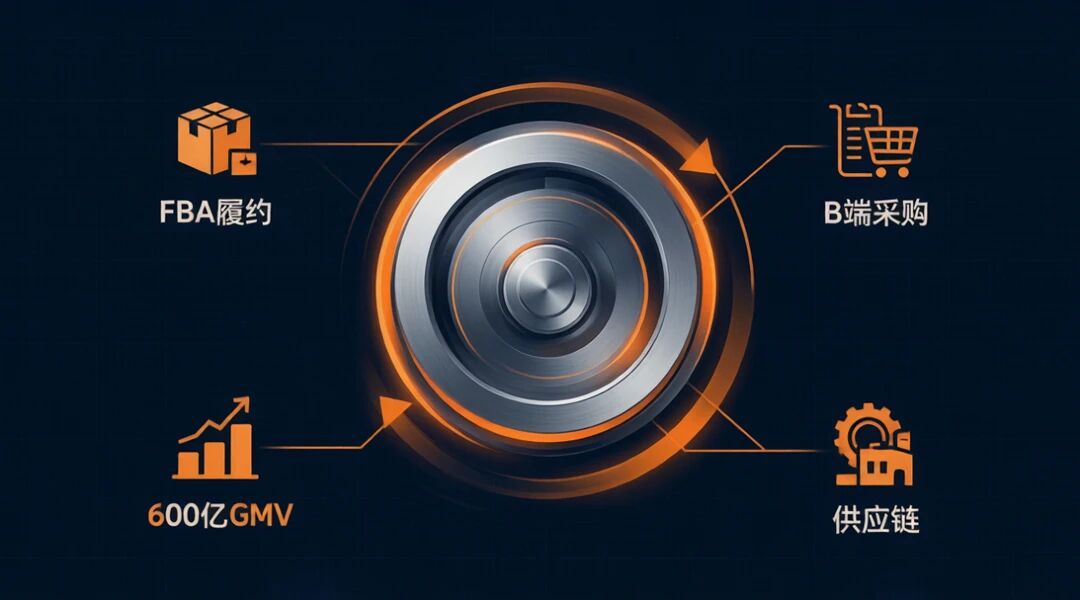
For Amazon, the $60 billion figure represents realized penetration of online B2B commerce rather than GMV driven by subsidized spending. Its moat lies in "one inventory serving both consumer and business customers": industrial and trading sellers can capture business procurement traffic by setting volume tiered pricing; organizations place orders via purchasing cards and view reports with Spend Analytics. The platform monetizes through three streams: commission fees, advertising revenue and logistics charges. In 2025, exclusive corporate discounts saved organizations over $1 billion, while Business Prime cut shipping costs by $880 million. The more buyers save, the steadier sellers’ repeat purchases become, accelerating the flywheel effect.
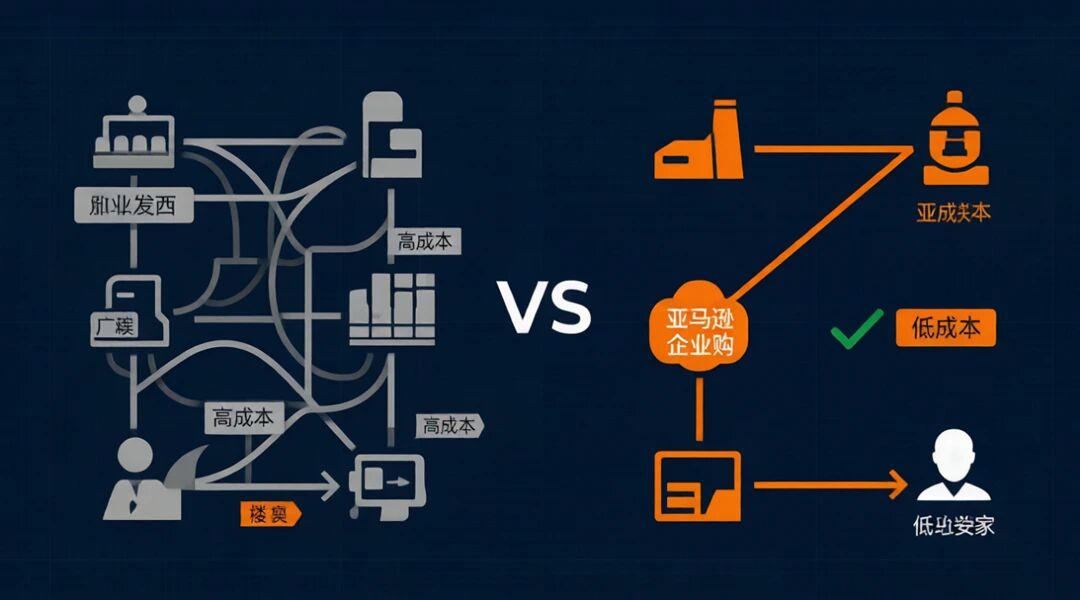
For Chinese cross-border sellers, signals matter more than figures: industrial products (tools/PPE/fasteners/instruments) stand among the fastest-growing strategic categories. For SKSAFETY reflective protective clothing, enterprise procurement will account for over 40% of sales with an annual growth rate of 200%, and the maximum value of a single order reaches USD 250,000. HANDLANDY gloves and safety shoes achieve annual sales exceeding USD 21 million on Amazon. Business-to-business customers have low price sensitivity, low return rates and high repurchase rates, yet they prioritize qualifications, delivery schedules and batch consistency.
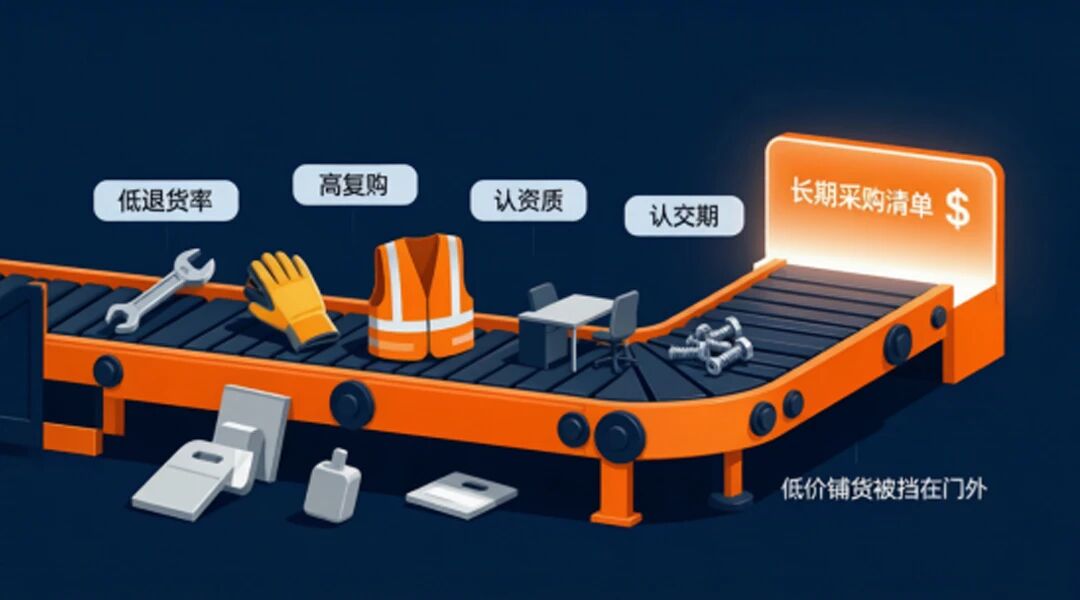
The 60-billion mark signals a watershed moment: the dividends of cross-border e-commerce are shifting from "engaging in cutthroat competition over consumer-end pricing" to "serving business-end supply chains". Industrial and trade sellers capable of steadily supplying standard products, multi-packs and providing bundled quotations will secure long-term procurement orders. Those relying merely on low-cost unbranded generic goods for mass listing will still be shut out of procurement approvals. It is easy to replicate a low-price product listing, yet difficult to duplicate a business-end supply system covering specifications, delivery schedules, compliance and after-sales services — and this constitutes the genuine threshold represented by the 60-billion benchmark.
Scan the code to consult the 1981 Team if you need to learn more details about cross-border e-commerce operations

On September 21, the 2027 Amazon Global Selling Hangzhou Site Service Provider Launch Conference was held in Hang...
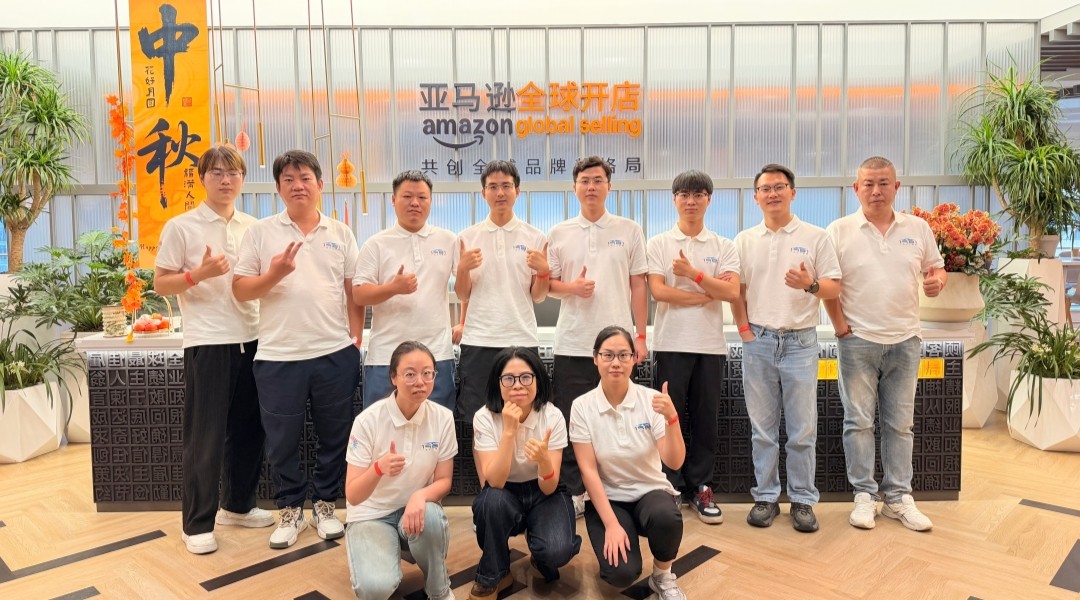
Amazon business is increasingly testing real capabilities. The era of generating sales through mass listing and lo...

Manufacturing enterprises have products and supply chains, which form the most solid foundation for going global. ...
 info@us1981.com
 +86 400-777-1981
Copyright © 2015-2026 Shenzhen 1981 Technology Co., Ltd. All Rights Reserved.
 简体中文
简体中文
 한국어
한국어
 Việt nam
 日本語
日本語
 Deutsch
 En français
 Italiano
 Español



 info@us1981.com