
Amazon Agency Management・TikTok Agency Management
E-Commerce Agency Management in Southeast Asia・Shopify Development
Global Logistics・EU & US Fulfilment Centres・Overseas Marketing
Amazon Agency Management・TikTok Agency Management
E-Commerce Agency Management in Southeast Asia・Shopify Development
Global Logistics・EU & US Fulfilment Centres・Overseas Marketing

Amazon recently announced an important update to its FBA policy, which will officially take effect in 2026 and is highly relevant to all sellers using Amazon's fulfillment services.
This adjustment involves the long-standing inventory management model and directly impacts sellers' warehousing, barcode, and compliance costs. All sellers are advised to understand the relevant information in advance and make adequate preparations.
I. The shared inventory model will be abolished, and inventory management will be fully independent.
Amazon has officially confirmed that it will formally discontinue the "Commingle Inventory" model starting March 31, 2026.
From then on, all sellers' inventories will be managed completely independently and will no longer be stored together with the same products from other sellers. Under the current model, sellers who sell products with the same product code (such as UPC) and use the manufacturer barcode will have their products placed into the same inventory pool. When Amazon ships orders, it will dispatch goods from the warehouse closest to the buyer without distinguishing the original source of the products.
Although this model has improved logistics efficiency, it has long-standing hidden dangers: if inferior or counterfeit goods are mixed into the inventory pool, other sellers may face associated negative reviews or returns, resulting in uncontrollable product experiences, which in turn affect link ratings, conversion rates and even account security.
Therefore, sellers who value their brand and quality control usually take the initiative to choose to affix Amazon barcodes (X00) to ensure inventory independence. After the implementation of the new policy, the above problems will be resolved at the system level, but brand sellers and non-brand sellers will be affected differently:
Brand sellers: They can continue to use the manufacturer's barcode, and inventory will no longer be shared with others, saving labeling costs. The same product barcode can also be used for other channels, making management more flexible.
Distributors/non-brand sellers: Must use Amazon barcodes. Continuing to use manufacturer barcodes may result in inventory being deemed defective, affecting selling privileges.
II. Seller Response Operation Guide
1.Log in to [Amazon Brand Registry] and confirm that you have the "Brand Representative" permission.
2.Check the ASIN barcode prefix in the 【Inventory Report】: those starting with X00 are Amazon barcodes, and those starting with B00 are manufacturer barcodes.
3.When releasing a new product, check [Manufacturer Barcode] in "Select Barcode Type".
4.If you need to change the existing X00 barcode to a manufacturer barcode, you must create a brand-new SKU and cannot directly modify the original SKU.
5.Go to 【Settings → Amazon Fulfillment → Amazon Fulfillment Product Barcode Preferences】, and update the default barcode to 【Manufacturer Barcode】.
1.Pay attention to Amazon notifications, or filter the ASINs that currently use the manufacturer barcode by yourself.
2.Create a new SKU for the relevant product and select [Amazon Barcode] as the barcode type.
3.Print the X00 barcode labels and ensure that labeling and warehousing are completed before March 31, 2026.
4.Go to the same path in the backend and change the default barcode to [Amazon barcode].
Important Note
Products that have already been warehoused can continue to be sold normally without the need for relabeling or adjustments.
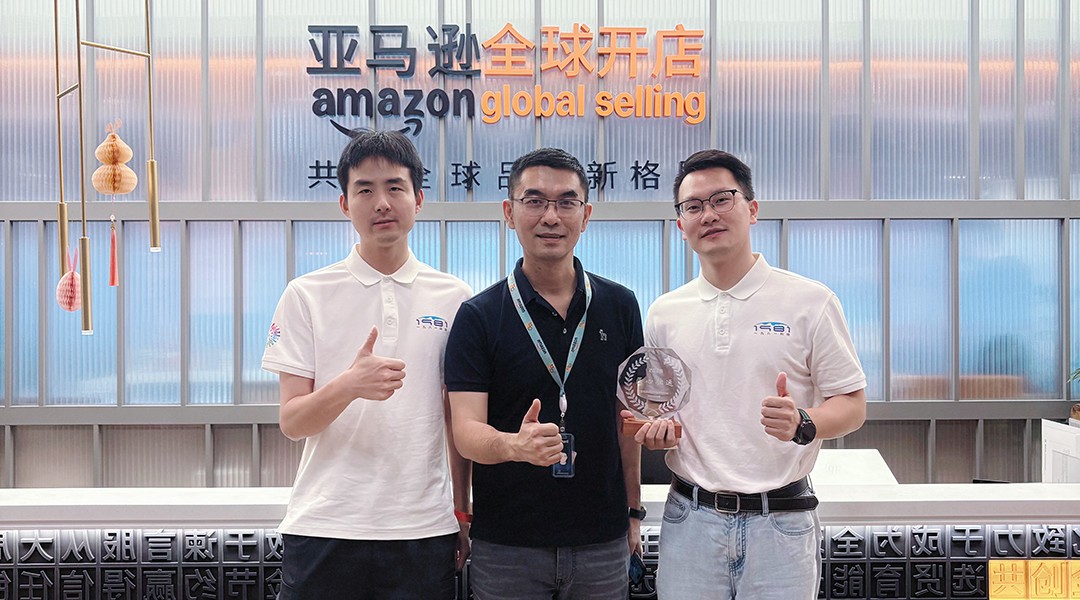
On September 21, the 2027 Amazon Global Selling Hangzhou Site Service Provider Launch Conference was held in Hang...
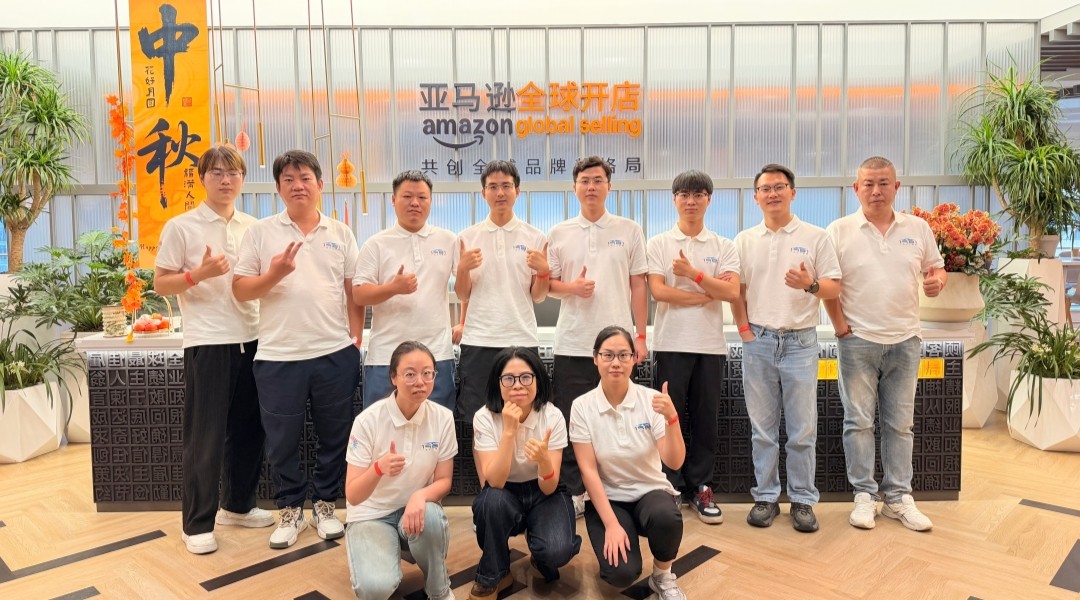
Amazon business is increasingly testing real capabilities. The era of generating sales through mass listing and lo...
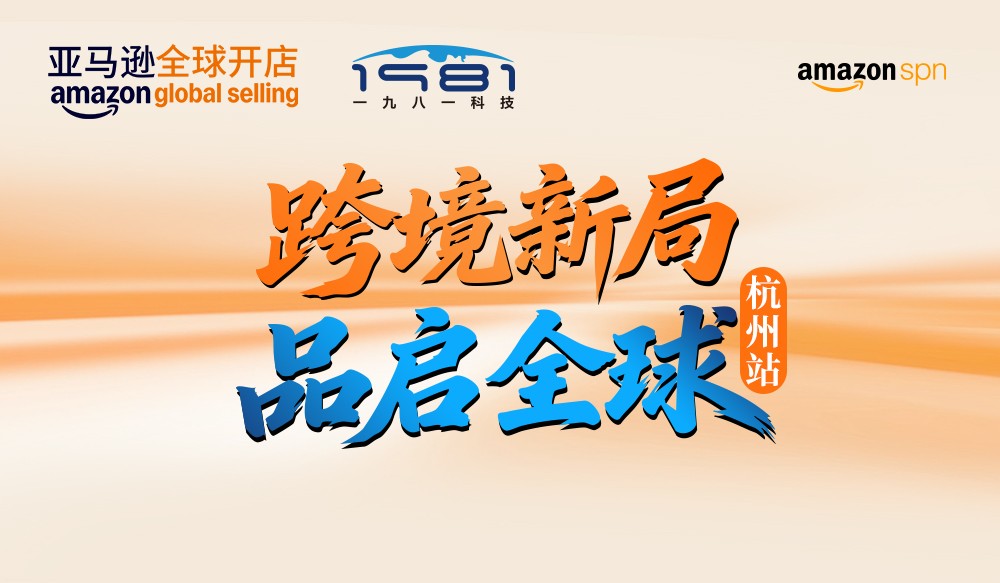
Manufacturing enterprises have products and supply chains, which form the most solid foundation for going global. ...
 info@us1981.com
 +86 400-777-1981
Copyright © 2015-2026 Shenzhen 1981 Technology Co., Ltd. All Rights Reserved.
 简体中文
简体中文
 한국어
한국어
 Việt nam
 日本語
日本語
 Deutsch
 En français
 Italiano
 Español



 info@us1981.com