
Amazon Agency Management・TikTok Agency Management
E-Commerce Agency Management in Southeast Asia・Shopify Development
Global Logistics・EU & US Fulfilment Centres・Overseas Marketing
Amazon Agency Management・TikTok Agency Management
E-Commerce Agency Management in Southeast Asia・Shopify Development
Global Logistics・EU & US Fulfilment Centres・Overseas Marketing

Starting point: Having products but no experience
Anji, Zhejiang, is a county renowned for chairs. One out of every three chairs worldwide is manufactured here, and over half of China’s exported seating products are shipped from this location. This furniture factory is a typical Anji‑based enterprise: it has years of in‑depth experience in foreign trade, a robust supply chain, and reliable product quality. Yet on Amazon, it has consistently struggled — slow account growth, poor advertising return‑on‑ad‑spend, sluggish inventory turnover, and persistent failure to make inroads into overseas retail markets.
There is nothing wrong with the product; the problem lies in operations. In April 2026, the factory entered into an Amazon US‑store agency operation cooperation with Shenzhen 1981 Technology Co., Ltd., and the story began with a comprehensive diagnosis.
After taking over the project, the operation team at 1981 Technology did not rush to launch advertisements. Their first step was to gain a thorough understanding of the account. They went through each aspect one by one, including account health status, on‑sale product categories, competitor landscape and inventory structure. The diagnostic findings led to one conclusion — the problem was not with the products, but rather weak foundational operational capabilities.
Taking into account category characteristics and the competitive landscape, the team formulated an integrated solution featuring "product‑selection optimization + Listing refinement + refined ad placement + supply‑chain collaboration":
Product selection optimization: phase out low‑efficiency SKUs and concentrate resources on promoting competitive products; Listing refinement: polish every element including titles, bullet points, main images and A+ pages to boost conversion rates; Refined advertising management: abandon broad‑brushed campaigns, make tiered adjustments based on data to ensure every dollar of ad spend delivers maximum value; Supply‑chain collaboration: align factory stocking schedules with store sales rhythms to reduce stock‑outs and overstocking.
The implementation of the solution is not flashy, yet every item requires careful attention to details.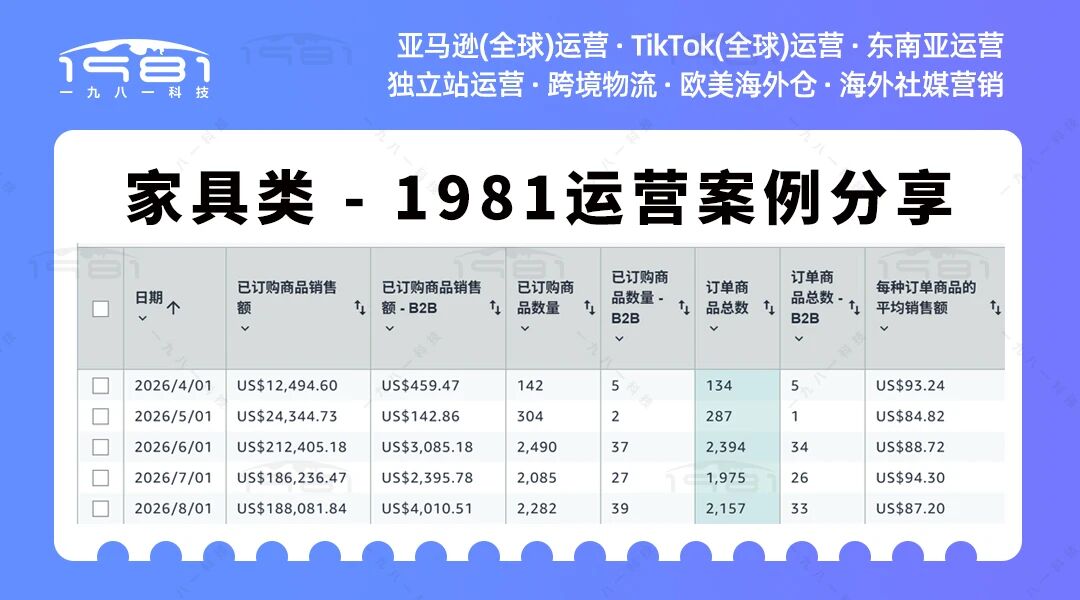
Growth: Data speaks for itself
Since the cooperation began, the store's monthly sales have kept rising:
In April, approximately 12,500 US dollars — the first small step forward;
In May, approximately 24,300 US dollars — nearly doubling.
In June, it surpassed $212,400, hitting a new high;
July, 186,200 US dollars;
August, 188,100 US dollars.
Since June, monthly sales have steadily remained above 180,000 US dollars. Over five months of cooperation, the cumulative sales volume has exceeded 620,000 US dollars.
From over 10,000 to more than 200,000, behind this growth curve lies a gradual process of making up for foundational capabilities.
Review: Why did it succeed?
Looking back, the rapid growth of this partnership stems from three prerequisites. First, the client boasts solid fundamentals — a stable supply chain and superior product quality lay the groundwork for growth. Second, there is clear division of labor: the factory focuses on manufacturing quality products, while the professional team delivers refined operations, with each party playing to its strengths. Third, the strategic direction is sound: instead of engaging in price wars, resources are concentrated on meticulous product selection, Listing optimization and advertising refinement, making rapid growth a natural outcome.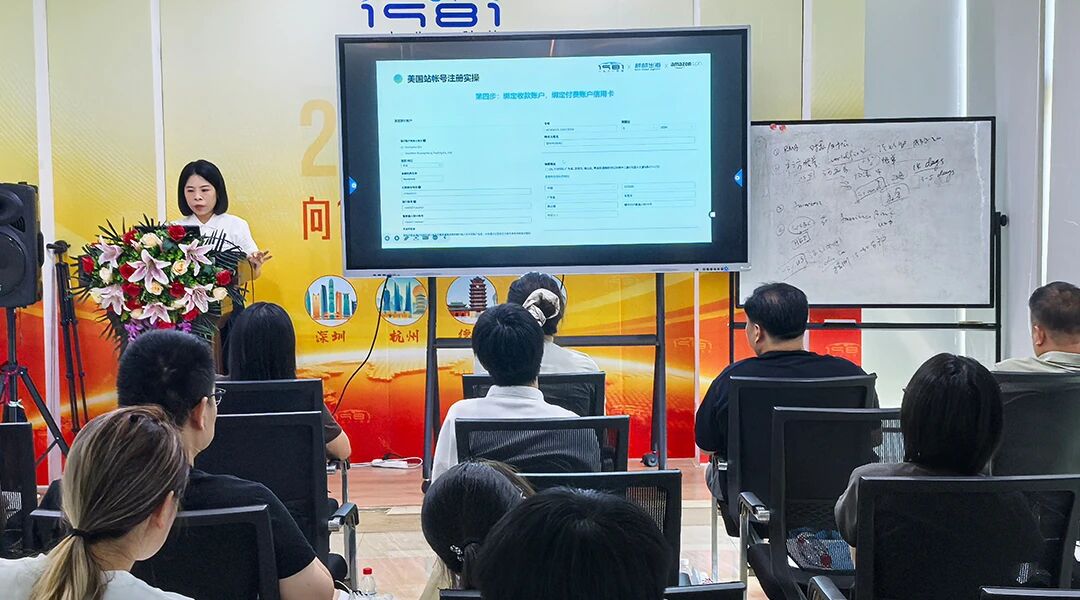
Based on this case, the 1981 Technology team offered three pieces of advice for overseas‑bound factories: Do not overestimate short‑term explosive growth, nor underestimate long‑term value. Fundamentals determine the ceiling, and patience is an essential quality; leave professional work to professionals, keep control over product supply chains in‑house, and entrust operations to expert teams; avoid price wars, and focus efforts on refined product selection, Listing optimization and advertising. Competitive moats are built bit by bit.
You are only one right start away from the overseas market
The client highly recognizes the cooperation achievements. According to the plan, the product line will be expanded in the next phase, and higher monthly sales will be pursued by leveraging peak‑season opportunities. Both parties are working together toward higher annual targets.
For large‑size and heavy‑supply‑chain categories such as furniture, opportunities are never in short supply on Amazon; what is lacking are people who can refine operations. For foreign‑trade factories still on the fence, this case may give you some confidence: your products are already en route, and all you need is a capable executor who understands the platform and can deliver practical results. Choose the right partner, adopt sound approaches, and persistence will do the rest.

Starting point: Having products but no experienceAnji, Zhejiang, is a county renowned for chairs. One out of ever...
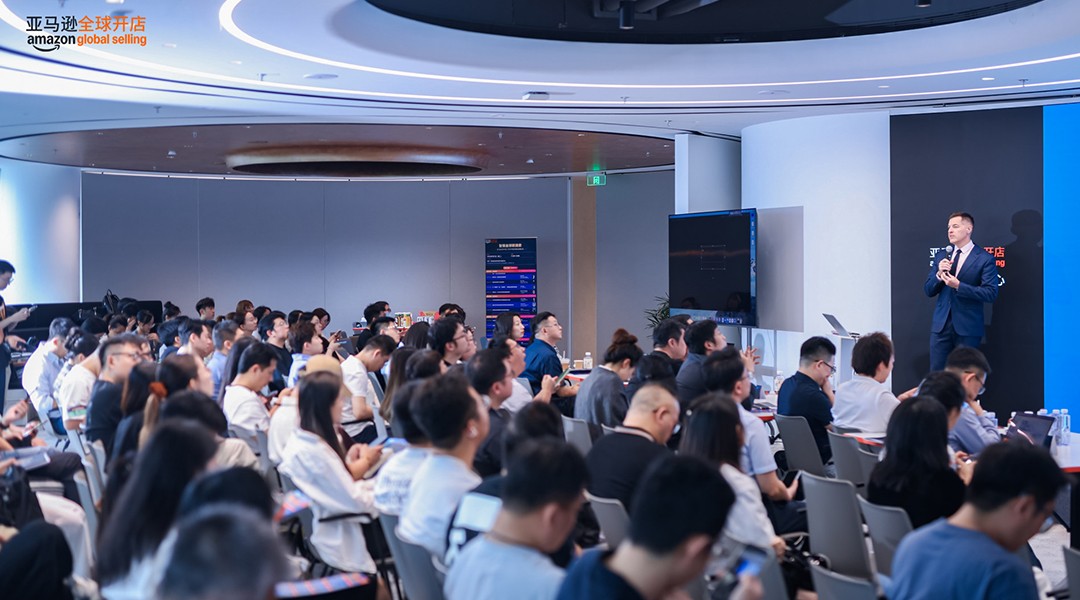
September 1st,The Amazon Global Selling 2026 China Consumer Goods Overseas Forum, themed "Leading Global New Consu...

2026, a year of innovation and renewal Following Shenzhen and Hangzhou, which kicked off the celebrations f
 info@us1981.com
 +86 400-777-1981
Copyright © 2015-2026 Shenzhen 1981 Technology Co., Ltd. All Rights Reserved.
 简体中文
简体中文
 한국어
한국어
 Việt nam
 日本語
日本語
 Deutsch
 En français
 Italiano
 Español



 info@us1981.com